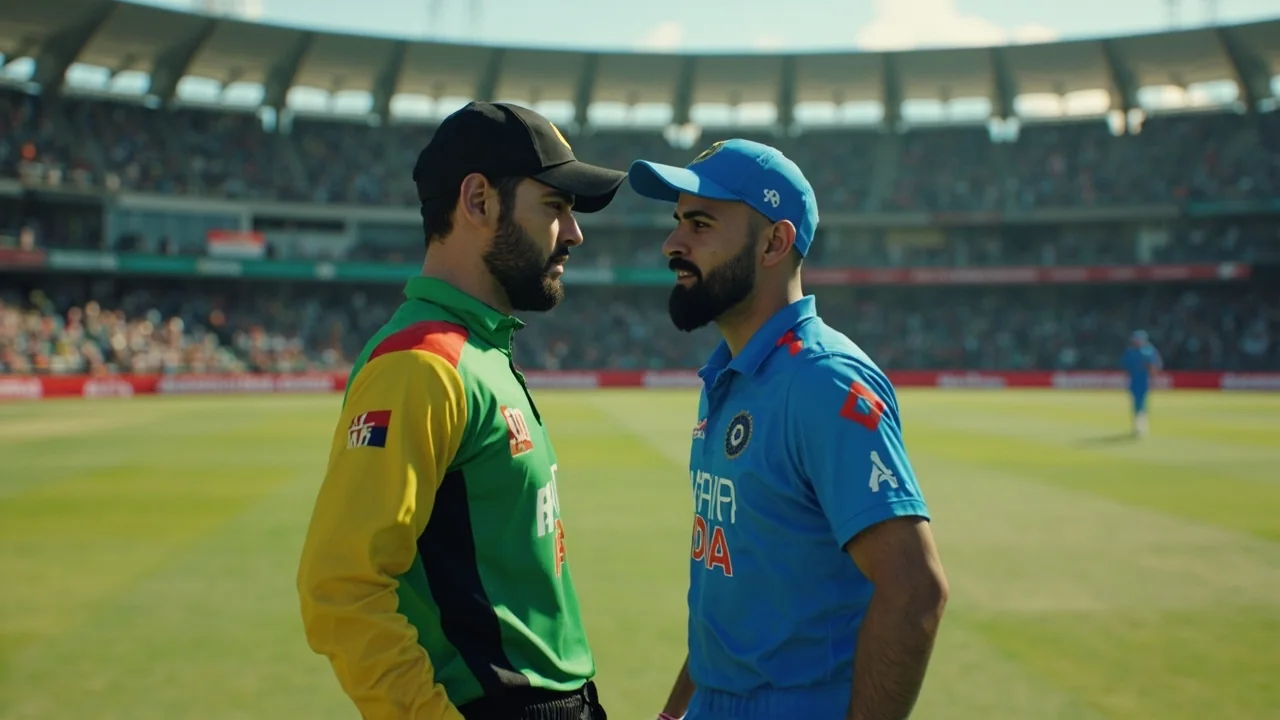
India have already taken an unassailable 2-0 lead in the T20I series against Zimbabwe, and the third match at Harare Sports Club on 26 July 2026 is the formality that decides whether the tourists leave with a 3-0 whitewash. The fixture is scheduled for 4:30 PM Indian Standard Time (11:00 AM GMT), a Sunday afternoon slot that gives fantasy managers a clear pre-match window to lock in line-ups without the squeeze of a weekday evening deadline.
The immediate fantasy question is not whether India will win, but whether the management will use the dead rubber to hand game time to players who have travelled without a fixture so far. Khel Now's 26 July preview notes that India may give opportunities to squad members who have not yet played in the series, and could make changes for the third match. For fantasy platforms, that creates a captaincy problem: the predicted XI you read at 8 AM may not be the XI that takes the field at 4:30 PM IST. Build with rotation in mind.
What the second T20I told us about this Indian batting order
India's second-T20I win on Saturday was a controlled run-fest anchored by two innings that fantasy managers should already have on their watchlists. Ishan Kishan scored 81 runs from 44 balls at the top of the order, the kind of innings that pays off captain bonuses and frees up a cheap middle-order slot in the same eleven. Tilak Varma's unbeaten 60 from 29 balls down the order showed the kind of finishing cameo that wins mega contests, and the team total was India's third-highest against Zimbabwe in T20Is.
What that does for Sunday's selections is sharpen the role definitions. Kishan is now the confirmed wicketkeeper-batter and will hold his slot. Varma is the floating accelerator in the middle order. The rest of the batting order is the rotation question: does India keep the same shape that posted a 200-plus total, or does it give Sooryavanshi, Abhishek Sharma or Shreyas Iyer a longer go at the innings in conditions that may behave slightly differently once the pitch dries?
Pitch and weather reading for the Harare afternoon
Khel Now's forecast for Harare on Sunday is clear and sunny, with around 35 percent humidity and a temperature of about 21 degrees Celsius. That is a comfortable playing window, not a swing-factory. Fast bowlers will not get lateral movement from the air; they will need to generate their wicket opportunities from pace and bounce off the surface, which the report says the pitch offers in good measure. Hard-length bowling, hitting the deck just back of a length, is the template both attacks will work to.
For spinners, the report notes that the surface may offer some grip from the old ball. That is a meaningful constraint for fantasy selection: it does not turn Harare into a dust bowl, but it does mean a frontline spinner who can bowl at the back end of the innings has a defined role, not just a quota to fill. Managers who lock four frontline quicks in a 7-4 batting split will be carrying dead weight; managers who carry one specialist spinner plus two seam-bowling all-rounders are closer to the surface.
Predicted India XI Khel Now has published
The outlet's predicted XI for the third T20I reads: Vaibhav Sooryavanshi, Abhishek Sharma, Ishan Kishan, Shreyas Iyer, Tilak Varma, Rinku Singh, Shivam Dube, Ravi Bishnoi, Prince Yadav, Yash Thakur and Mayank Yadav. Treat that as a checkout list, not a copy-and-paste XI. Fantasy platforms do not refund a premium-priced overseas substitute if the sheet flips at the toss.
Three things matter about this predicted XI for fantasy managers. First, there is no Abhishek Sharma-Tilak Varma pairing at three and four in the same order as the second T20I; squad rotation is genuinely happening. Second, Ravi Bishnoi is the only frontline wrist-spinner named, which says the management trusts grip from the old ball is enough without a second specialist. Third, the pace attack is Mayank Yadav, Yash Thakur and Prince Yadav, three quicks who all bowled in the series, which suggests India are still trying combinations rather than settling on a hierarchy.
Head-to-head record that quietly anchors the price sheet
Across all 16 T20I meetings between these two sides, India have won 13 and Zimbabwe three. The luxury of that gap is that India's batting depth is not a marketing claim; it is a record. Fantasy managers priced into the marquee Indian batters are paying for a track record of contribution against this specific attack, not a generic top-order reputation.
The honest read is also that Zimbabwe's three wins came mostly in the early years of T20I cricket between the teams, when player rotation through the Indian side was heavier. In the current structure, with India naming a 15-16-man squad with several professionals who play T20 franchise cricket around the world, the talent gap is structural. Build your teams accordingly: one Zimbabwe differential is enough, two is usually a mistake.
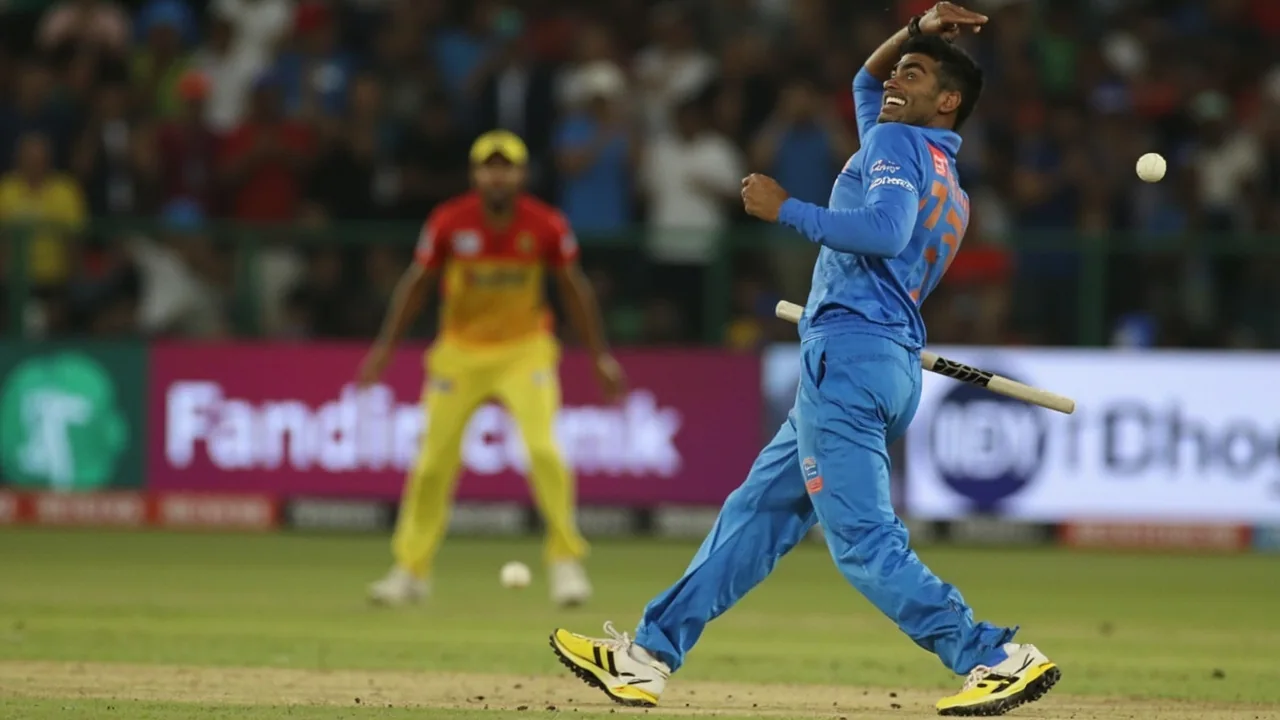
How to build a fantasy XI around expected rotation
For small leagues, the safest shape is two Indian top-order batters, one Indian wicketkeeper-batter, the Indian finisher (Tilak Varma or Rinku Singh in this predicted XI), one Indian all-rounder, two frontline Indian bowlers, one Zimbabwe differential batter, one Zimbabwe wicketkeeper and one Zimbabwe frontline bowler. That gives you Indian stacking for the most likely outcome without leaving you exposed if Zimbabwe's openers post a fast start.
For mega contests, the bias is to lock the same spine but use the captaincy arm on a likely batting-performer from the Zimbabwe side. Public captaincy will cluster on Kishan and a top-order Indian name; the differential captain on a Zimbabwe finisher who bats at four or five can lift your rank in a 50,000-entry field if the early wicket scenario plays out. The risk is that this India team is too deep for a fast Zimbabwe start, but the upside is real.
Why the bowler picks are different from the second T20I
The first two T20Is saw India rotate through the pace options heavier than usual for a short bilateral series. Mayank Yadav's raw pace makes him a fantasy favourite when he is rested and fresh; the third T20I is the natural slot to bring him back as a wicket-taking differential. Yash Thakur's role in the powerplay is the complement to that; together they form the two-card Indian pace attack that many fantasy sides will lock.
The interesting selection question is whether Ravi Bishnoi plays ahead of a second seamer. On a Harare surface that offers grip from the old ball, Bishnoi's googlies into the right-handers become a wicket-taking opportunity in the middle overs. If the predicted XI is honoured, he is a cheap specialty pick with leverage. If India swap him for a fourth seamer, your bowler cart needs to be reshaped before the toss graphic.
Zimbabwe's side: where the differentials sit
Zimbabwe have been outplayed in the first two games, and that cuts both ways for fantasy selection. The case for picking a Zimbabwe batter is the salary relief and the chance that India rotate their bowling options, giving a top-order Zimbabwe batter an extra over or two against a less experienced attack. The case against is that the underlying skill gap is real, and the public ownership on Indian batters is already absorbed in the projected totals.
Wicketkeeper-batter is the cleanest Zimbabwe slot to fill. They bat in the top six, they keep wickets and earn catching points, and they are usually priced low enough that you can absorb them without burning the salary cap. A frontline Zimbabwe seamer is the second slot: their fantasy points are driven by wickets, and the back end of an Indian innings sometimes accelerates faster than the bowler expects, which can pull a 3-for-30 card out of the bag.
Contest-by-contest construction logic
Small leagues (under 1,000 entries)
Lock three Indian batters, one Indian wicketkeeper-batter, one Indian all-rounder, two Indian bowlers, one Zimbabwe all-rounder, one Zimbabwe wicketkeeper and one differential bowler. Captain India's most consistent top-order name; vice-captain the wicketkeeper-batter. The logic is safety: in a small league, finishing in the top 5 percent is the goal, not catching a 100x ceiling from a Zimbabwe batter.
Mega contests (50,000+ entries)
Mirror the public Indian spine at 60 to 70 percent of your portfolio. Break with one of: a Zimbabwe captain pick if the wicket is expected to turn; a Mayank Yadav captain if you trust his wicket-taking upside; an unowned Indian finisher as a single C/VC in a thin slice of teams. Avoid five unique picks at once; rank volatility rises faster than upside when the base is wrong.
Single-entry specials
Pick a toss-responsive narrative and commit. Narrative A: India bat first, post 200-plus, win by 40-plus runs, Mayank Yadav takes three-plus. Narrative B: Zimbabwe post a fighting 150-plus, India chase with a 6-per-over rate, Tilak Varma finishes. Do not mix the two stories in one eleven; cognitive load is the enemy of a clean large-field result.
What the second T20I chase read tells us about India's middle order
India's third-highest T20I total against Zimbabwe, posted on Saturday, showed that the middle order is not reliant on the top three to set a platform. Shivam Dube and Rinku Singh played cameos that suggest the finishers are warmed up, and Shreyas Iyer's role as the anchor in the middle order frees the lower-middle to swing. For fantasy managers, that means the Indian ceiling is not bottlenecked at the top of the innings; a top-order wobble does not automatically cap the team total near 150.
On the flip side, that batting depth means Zimbabwe's bowling differentials need wickets, not containment. A 2-for-25 from a Zimbabwe seamer who strikes once in the powerplay and once at the death is more valuable than a 0-for-18 that goes at under six an over. Pick the wicket-takers, not the line-and-length merchants.
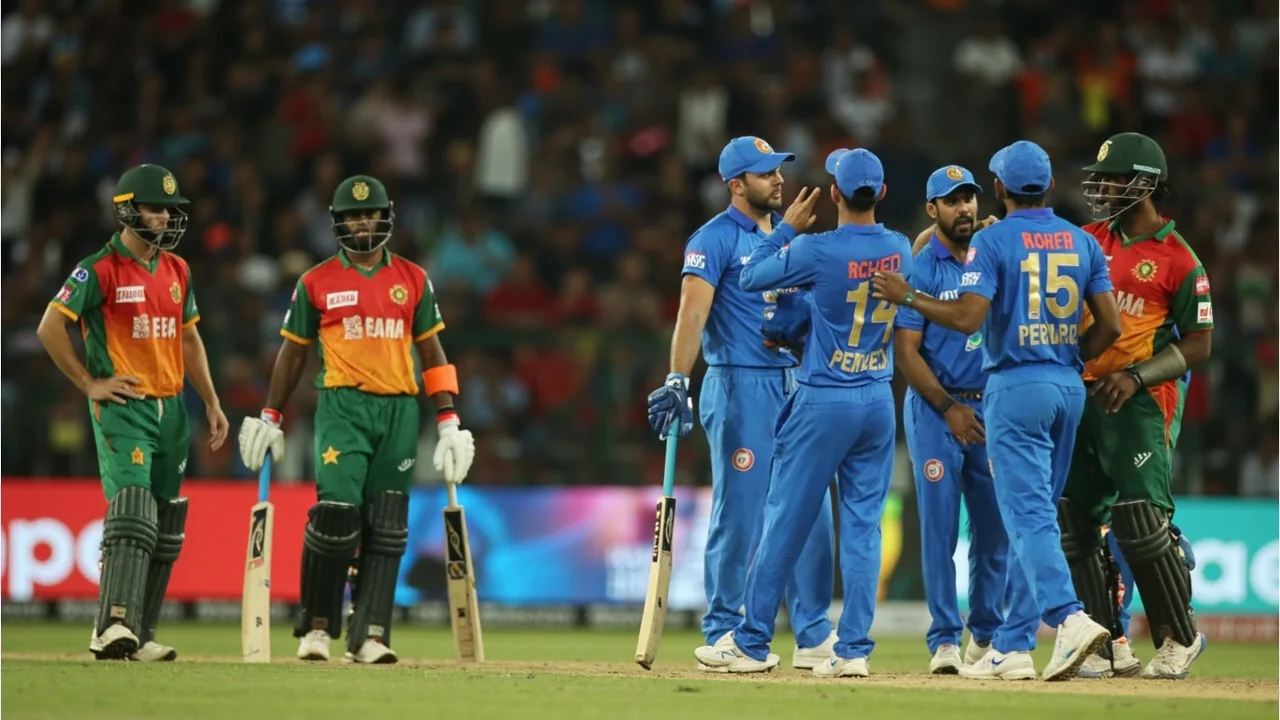
Captaincy board for the third T20I
Top captaincy candidates, in rough order of public ownership and match-up fit:
- Ishan Kishan . incoming form (81 off 44), confirmed wicketkeeper slot, batting position that survives early wickets; the safest captain in small leagues.
- Vaibhav Sooryavanshi . if he opens, the salary ceiling is high and the role allows him to face the powerplay; risk if India shuffle him down.
- Shreyas Iyer . middle-order anchor who can absorb spin and pace; vice-captain material rather than captain.
- Tilak Varma . finishing role; captain him in mega contests only and budget for a low ownership percentage.
- Mayank Yadav . wicket-taking differential in the middle overs; captain if you trust a single dominant spell.
- Zimbabwe captain or wicketkeeper . high-risk, high-reward differential captain in mega contests only.
For the regular fantasy manager running a handful of teams, the cleanest captaincy is Kishan with Varma as vice-captain. That pairing survived the second T20I's positional fluidity and remains the most likely combination to land in the top quarter of the leaderboard.
What to watch before the toss graphic
Three pieces of information will move line-ups more than any other in the final hour before the 4:30 PM IST start. First, the official India squad announcement confirming which players are in the playing XI and which are rested. The Khel Now preview flags possible rotation, so expect at least one change from the second T20I side. Second, the toss call, which fixes whether India bat first and post, or chase under lights with dew not yet a factor in the dry Harare afternoon. Third, the pitch inspection, which will confirm whether the surface is the same one used for the second T20I or a fresh strip that may behave differently in the first six overs.
For fantasy managers, the discipline is to leave three contest slots open until that graphic is public, then finalise the XI against the confirmed sheet, not against the predicted one. The 2026 T20I series has already shown that a published predicted XI is not a guaranteed playing XI.
Why this is still a fantasy fixture worth playing
Dead rubbers get a bad reputation in fantasy circles because the professional game treats them as formality. From a fantasy angle, the opposite is true: the contest is the rare one where the favourite's expected total is high and the captaincy ceiling is broad, because the batting order is not yet locked. That gives the format more upside than a settled India-versus-Australia fixture, even if the result is a foregone conclusion.
Your next move is the confirmed India playing XI and the toss call, both expected in the half-hour before the 4:30 PM IST start. The two developments decide everything that matters for fantasy sides built on the predicted sheet: if the management honours the Khel Now XI with Sooryavanshi and Abhishek Sharma at the top, the captaincy board stays anchored on Kishan and Varma; if Mayank Yadav is rested for Prince Yadav, your pace wicket-taking differential shifts; if a fourth seamer replaces Bishnoi, drop the leg-spinner from the eleven and rebalance the salary cap against a Zimbabwe seam-bowling all-rounder. Then watch the toss: India batting first keeps the pace-and-bounce template, India chasing opens up dew-adjusted wrist-spin value at the death. Lock the XI against the confirmed sheet, not the predicted one, and revisit the captain arm if the toss calls a chase. For a broader reading of how this fixture fits into the wider T20I fantasy slate, including captaincy frameworks and contest construction logic, see our running fantasy cricket desk.
Match timing, weather, pitch and predicted XI for the 3rd T20I draw on Khel Now's 26 July 2026 preview by the cricket desk. Second-T20I batting figures and the India-versus-Zimbabwe T20I head-to-head record are sourced from the same preview. Fantasy construction analysis is independent editorial work. 18+ only. Play responsibly.